Bookman: The Vintage Display Font for Modern Brands
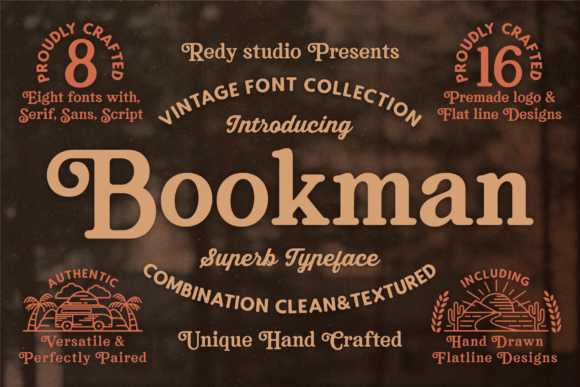
There’s a particular feeling you get when you see a typeface that seems to carry history in its strokes. It’s not just about being old; it’s about a certain warmth, a sturdy confidence, and a touch of nostalgia that feels both familiar and fresh. This is the essence of Bookman, a beautiful and charming display font inspired by the vintage printing presses of the past. For designers, entrepreneurs, and creators today, it offers a bridge between timeless elegance and contemporary appeal.
Understanding Bookman's Personality and Visual Appeal
At its core, Bookman is a serif font, but it stands apart from more traditional serifs like Times New Roman or Garamond. Its characters are defined by strong, bracketed serifs—the small feet at the ends of letters that have a gentle, curved connection to the main stroke. The letterforms themselves are robust and have a generous x-height, meaning the lowercase letters are tall and open. This combination gives Bookman a friendly, approachable, and highly legible quality, even at smaller sizes or from a distance.
The overall personality of the typeface is one of dependable charm. It avoids the stark, clinical feel of some modern typography and instead projects a sense of craftsmanship and authenticity. Think of a well-loved book cover, a vintage travel poster, or the lettering on an artisanal food label. Bookman evokes that same feeling of considered design and human touch, making it a powerful tool for creating emotional connections.
Where Bookman Truly Shines: Practical Applications
Knowing a font's strengths is key to using it effectively. Bookman’s blend of readability and character makes it exceptionally versatile across a range of projects.
- Branding and Logo Design: For businesses that want to project trustworthiness, heritage, or artisanal quality, Bookman is a superb choice for a logo design. It’s particularly effective for bakeries, breweries, boutique hotels, heritage brands, and any business with a story to tell. Its strong presence ensures recognition, while its warmth builds approachability.
- Editorial and Publishing: This is where Bookman feels most at home. As a premium font for editorial design, it excels in book covers, chapter headings, pull quotes, and magazine mastheads. Its excellent readability makes it a viable option for longer body text in print, especially in genres like historical fiction, cookbooks, or lifestyle publications.
- Packaging and Print Design: On shelf, a product needs to communicate quickly. Bookman’s clear, bold letterforms work wonderfully for packaging design, from labels on craft spirits to boxes for gourmet chocolates. It conveys quality and substance without feeling stuffy.
- Digital and Web Design: While a display font at heart, Bookman’s clarity translates well to digital screens. Use it for impactful website headers, blog post titles, or hero text to immediately establish a site’s tone. It pairs beautifully with clean sans serif font families for body text, creating a balanced and professional web design.
- Social Media and Marketing: For social media graphics, ads, or promotional materials, Bookman can help a message stand out in a crowded feed. Its distinctive look is more memorable than a generic system font, helping to build consistent brand recognition across all touchpoints.
Making Bookman Work for Your Project
Choosing the right creative font is a strategic decision. Here’s how to evaluate if Bookman is the right fit for your specific needs.
Evaluating the Fit
Ask yourself what you want your design to feel like. If the answer involves words like “trustworthy,” “classic,” “warm,” “artisan,” or “nostalgic,” Bookman is a strong candidate. It might not be the best choice for ultra-modern tech startups or minimalist fashion brands seeking a stark, geometric aesthetic. Its strength lies in its ability to add personality and a human touch.
Testing Font Pairings
A font pairing can make or break a design. Bookman’s sturdy serifs pair exceptionally well with simpler, geometric sans serif fonts like Montserrat, Futura, or Open Sans. This contrast creates a clear visual hierarchy. For a more eclectic or vintage feel, you might pair it with a subtle script font or handwritten font for accents, but use such combinations sparingly to avoid clutter.
Reviewing Styles and Licensing
Most quality Bookman releases come as a family with multiple weights (Light, Regular, Bold, etc.) and styles (Roman, Italic). This variety is crucial for creating a flexible brand identity. Always check the licensing. If you’re using it for a client project, merchandise, or a logo that will be trademarked, you need a commercial font license. Reputable foundries provide clear licensing terms for desktop, web, and app use, ensuring you’re covered for all your design assets.
In a landscape saturated with fleeting trends, Bookman offers a refreshing sense of permanence. It’s not just a display font; it’s a storyteller. By understanding its personality and applying it thoughtfully, you can harness its vintage charm to create designs that are not only beautiful but also deeply resonant and effective. Whether you’re crafting a brand’s brand identity, laying out a magazine, or designing a poster, Bookman provides a reliable and characterful foundation that stands the test of time.