Crisp Edge: Your New Secret for Joyful, Standout Design
Sometimes, a design project calls for something more than just clean lines and corporate polish. It needs a spark—a sense of handmade authenticity and playful energy that immediately connects with an audience. This is where a creative font like Crisp Edge truly shines. It’s not just a set of letters; it’s a carefully crafted personality designed to inject life and approachability into your work. Think of it as the typographic equivalent of a well-made construction paper craft: sturdy, fun, and full of character.
What Exactly Defines the Crisp Edge Aesthetic?
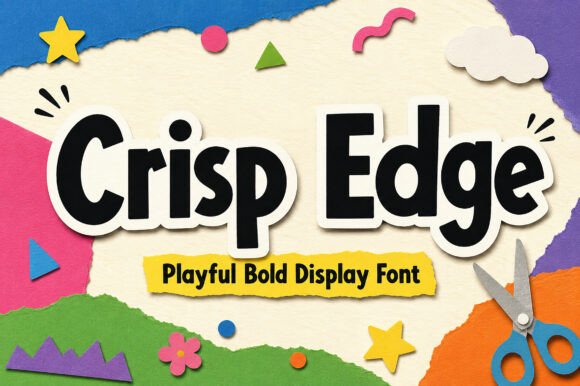
At its core, Crisp Edge is a bold display font that masterfully blends structure with whimsy. Its foundation is a sans serif font, but not of the sterile, minimalist variety. The letterforms feature thick, substantial hulls with clean, sharp angles and slightly geometric cuts. This gives each character a tangible, cut-out quality, reminiscent of shapes sliced from construction paper with a precision knife. The visual texture is key: a soft white sticker contour outlines each letter, followed by a deep dimensional drop shadow. This layered effect creates a satisfying depth, making the text appear to lift off the page or screen.
The personality of this typeface is unmistakably friendly and energetic. Its layout often features a slightly irregular baseline, a subtle touch that adds to the handcrafted feel without sacrificing legibility. This isn’t a font that demands to be taken seriously in a corporate boardroom; instead, it confidently invites engagement and smiles. It’s a premium font that feels personal, making it an exceptional tool for projects where building a genuine connection is the primary goal.
Where Does Crisp Edge Truly Excel?
Understanding a font’s ideal environment is crucial for effective brand identity and design. Crisp Edge’s unique charm makes it a standout choice for a specific, yet wide-ranging, set of applications.
- Children’s Boutique Branding: This is a natural home for Crisp Edge. Its playful geometry and dimensional effect are perfect for logo design, store signage, and shopping bags for brands targeting kids and families. It communicates fun and quality without being overly childish, appealing to parents seeking a stylish yet playful aesthetic.
- Hobby Craft Store Headers: For scrapbooking supplies, art kits, or DIY blogs, this font instantly signals creativity and hands-on activity. Use it in website headers, email banners, and product packaging to attract the crafting community.
- Educational Materials: Move beyond boring clip art. Crisp Edge can transform educational posters, school event flyers, and learning app interfaces into engaging materials that students actually want to look at. Its clarity ensures information is readable, while its style keeps it from feeling like a chore.
- Custom Merchandise & Stickers: The font’s inherent “sticker” aesthetic makes it ideal for packaging design and merchandise. Think laptop stickers, planner accessories, or custom t-shirt graphics. Its bold presence ensures it reproduces well at various sizes.
- Joyful Digital Content: In the realm of social media graphics, YouTube thumbnails, and blog post titles, Crisp Edge can dramatically increase click-through rates. It cuts through the visual noise of a feed with its unique texture and inviting vibe, making it a valuable design asset for content creators.
Practical Guidance for Using This Playful Typeface
Adopting a new creative font into your toolkit requires more than just liking how it looks. Here’s how to approach Crisp Edge strategically.
Evaluating Project Fit
Ask yourself: Does the project’s core message align with “joyful,” “handcrafted,” or “energetic”? Crisp Edge would be a superb choice for a local bakery’s new cupcake line but likely a mismatch for a law firm’s annual report. Its strength lies in marketing and branding for products and services that want to feel accessible and fun. Always consider your target audience. It resonates powerfully with adults in the 20-50 range who appreciate creativity, craftsmanship, and a touch of nostalgia.
Mastering Font Pairings and Hierarchy
As a high-impact display font, Crisp Edge is designed for headlines, logos, and pull quotes—not body text. For a cohesive design, pair it with a complementary typeface. A clean, simple sans serif font like Montserrat or Lato for body copy creates a balanced contrast. Alternatively, pairing it with a handwritten font or a soft script font can amplify the crafty, personal feel, but use this combination sparingly to avoid visual clutter. Establish a clear visual hierarchy: use Crisp Edge for the main headline to grab attention, and let your paired font carry the supporting information.
Considering Readability and Application
While incredibly legible at larger sizes, the decorative elements of Crisp Edge mean it’s best used where text is meant to be seen, not scanned in long paragraphs. Test it thoroughly in your intended medium. For web design, ensure the file is optimized. For print, check how the shadows and contours render on different paper stocks. Its effectiveness is in its impact, so use it where that impact can be fully appreciated.
Licensing and Included Styles
When you invest in Crisp Edge as a commercial font, review the licensing agreement carefully. Most premium fonts include multiple styles—often a regular version and a “shadow” or “outline” variant. Having these styles gives you more flexibility to create depth and variation in your compositions without needing additional fonts. This consistency is a cornerstone of professional editorial design and branding.
Ultimately, Crisp Edge is more than just another modern typography option. It’s a tool for storytelling, a way to build a brand that feels both professional and deeply approachable. By understanding its personality and applying it thoughtfully, you can leverage its unique charm to create designs that don’t just capture attention, but also capture hearts.