Elegant: The Font That Whispers Luxury and Confidence
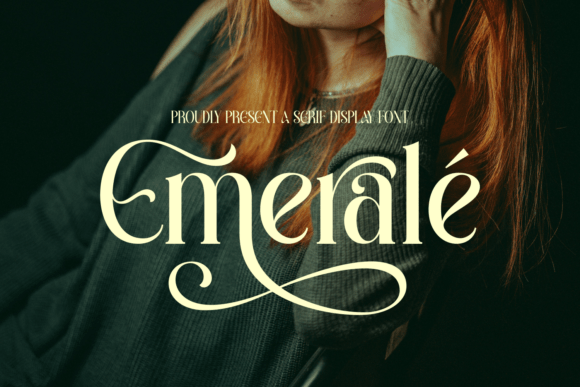
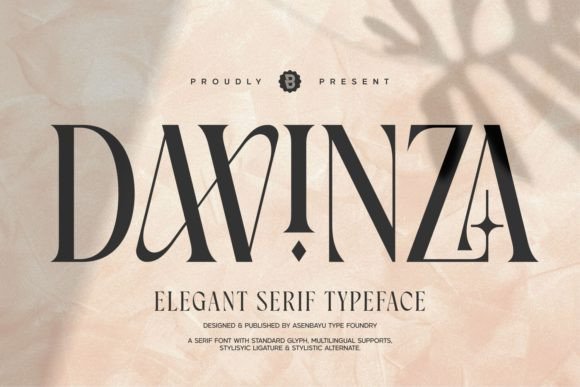
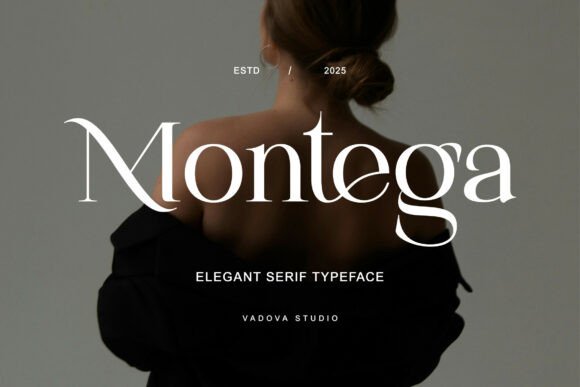
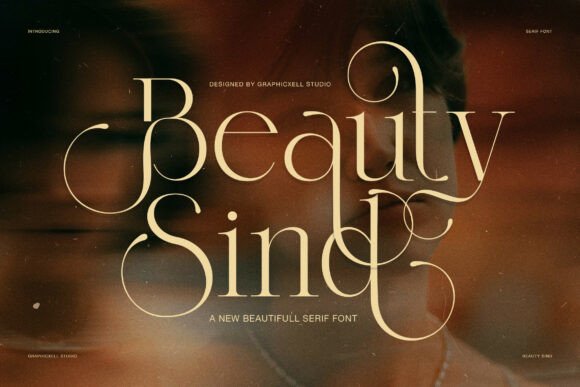
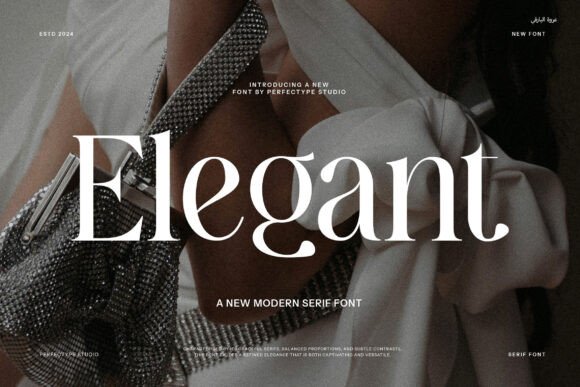
There’s a particular kind of design challenge that calls for more than just readable text. It demands presence, a quiet authority that doesn’t shout but commands attention all the same. This is the space where the Elegant typeface thrives. At first glance, it’s a study in refined simplicity. The letterforms are built on a foundation of smooth, stylish lines and graceful, elongated curves. Each character feels carefully considered, with thin strokes that taper with precision, creating a visual rhythm that is both calming and captivating.
But don’t mistake its delicacy for weakness. Elegant carries a distinct personality. It’s the typographic equivalent of a perfectly tailored suit or a timeless piece of jewelry. It suggests sophistication, taste, and an appreciation for craftsmanship. It’s not trying to be trendy; it’s aiming for timelessness. This makes it an incredibly versatile creative font, capable of elevating projects across the spectrum, from a high-end brand identity to a heartfelt wedding invitation.
Where This Premium Font Truly Shines
Understanding a font’s visual character is one thing; knowing where to deploy it is where the real strategy comes in. Elegant isn’t a one-size-fits-all solution, but in the right context, it becomes transformative. Its strength lies in projects that benefit from a touch of class and a sense of intentionality.
- Branding and Logo Design: For businesses in the luxury, beauty, fashion, or artisanal food space, Elegant can form the cornerstone of a logo design. It instantly communicates a premium positioning. Paired with a clean, geometric sans serif font for body copy, it creates a beautiful contrast that balances personality with clarity.
- Editorial and Publishing: Think of the masthead of a sophisticated lifestyle magazine, the chapter titles in a hardcover book, or the pull quotes in a premium catalog. As a display font, Elegant draws the eye and sets a curated tone. It works exceptionally well for titles and headings in editorial design, where it can establish a visual hierarchy that feels both authoritative and inviting.
- Packaging and Web Design: On product packaging, especially for cosmetics, fine spirits, or gourmet goods, this serif font (or its stylistic cousins) adds perceived value. In web design, it’s perfect for hero sections, key headers, or minimalist portfolio sites where typography is the star. Its graceful lines render beautifully on high-resolution screens.
- Personal and Event Projects: Beyond commercial use, Elegant is a favorite for wedding stationery, event programs, and personal branding materials for photographers, consultants, and artists. It brings a bespoke, crafted feel that generic fonts simply can’t match.
Making Elegant Work: Practical Guidance for Your Projects
Choosing a premium font like Elegant is an investment, so you want to ensure it’s the right tool for the job. Here’s how to approach it with a strategist’s mindset.
Evaluate the Fit for Your Audience
First, consider who you’re speaking to. Elegant resonates powerfully with an adult, discerning audience (20–50+) that values quality and aesthetics. If your project targets this demographic—whether it’s for a small business owner, a publisher, or a content creator—its refined style will likely align perfectly. For a project aimed at children or requiring a very casual, playful vibe, you might explore a script font or handwritten font instead.
Test Font Pairings Rigorously
A single font rarely carries an entire design. The magic often happens in the pairing. Elegant excels when contrasted. Try pairing its delicate display weight with a sturdy, highly readable sans serif font like Montserrat or Lato for body text. This combination provides a clear visual hierarchy: Elegant captures attention for headlines, while the sans serif ensures paragraphs remain effortless to read. Avoid pairing it with another ornate or script-style font, as this can create visual competition and clutter.
Inspect the Font Family and Styles
Before you commit, look at what’s included. A robust Elegant font family might offer multiple weights (Light, Regular, Bold), italics, and possibly stylistic alternates or ligatures. These extras are invaluable for creating nuanced typographic designs. A bold weight can be used for subheadings, while a light weight might work for delicate captions. This flexibility helps maintain a cohesive brand identity across different applications.
Never Compromise on Readability
This is the cardinal rule. Elegant’s thin strokes and high contrast are stunning in headlines, but they can become a challenge in long-form body text, especially at smaller sizes or on low-resolution screens. Always conduct a readability test. Print a sample or view it on various devices. For body copy, you’ll almost always want to switch to a more workhorse typeface designed for sustained reading. Use Elegant strategically for impact, not for every line of text.
Understand the Licensing
Since Elegant is a commercial font, its license dictates how you can use it. Licenses are typically based on the number of users, the number of installations, or the type of project (e.g., web font, desktop, app). For entrepreneurs and marketers, ensure your license covers all intended uses—from your website and social media graphics to printed materials and merchandise. Reputable foundries make this clear, and it’s a critical step in professional practice.
In the end, Elegant is more than just a collection of beautiful letters. It’s a design asset that can profoundly influence how your audience perceives your work. It affects brand perception, builds recognition through consistent, sophisticated application, and enhances audience engagement by making your message feel considered and valuable. Used thoughtfully, it doesn’t just look good—it makes everything it touches feel more intentional, more professional, and undeniably more elegant.