Montegar: Where Modern Luxury Meets Editorial Elegance
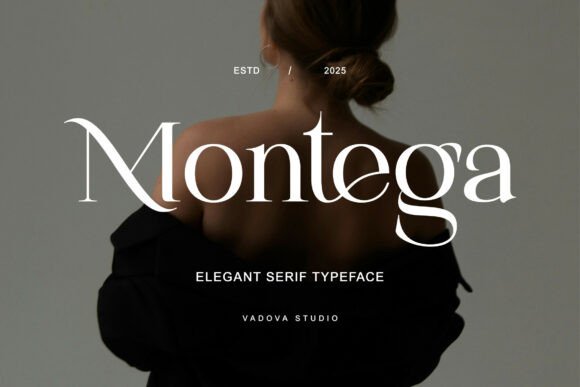
When you’re building a brand that needs to feel both timeless and distinctly contemporary, the choice of typeface becomes a silent ambassador. Montegar steps into that role with quiet confidence. This modern luxury serif font isn’t just another set of letters; it’s a crafted tool for creating a specific kind of atmosphere—one of refined sophistication, editorial sharpness, and a touch of celestial intrigue.
Understanding Montegar’s Visual Character
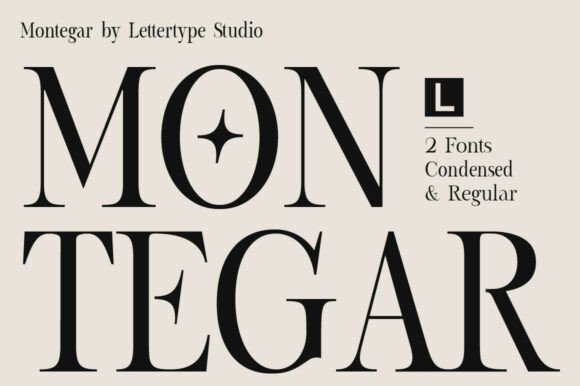
At its core, Montegar is a serif font built on elegant proportions and dramatic contrast. The thick and thin strokes play off each other with intention, creating a dynamic rhythm on the page or screen. The serif detailing is refined, not fussy, giving it a clean, high-fashion edge. What sets it apart, however, are the subtle design choices. You’ll find celestial-inspired star accents woven into certain characters and sharp, editorial cuts that add a memorable signature. It’s a balance that allows Montegar to deliver a sophisticated visual presence without overwhelming your content. It’s a display font with a personality, but one that remains highly readable in headline and branding applications.
Practical Applications for Designers and Brands
Knowing where a font excels is half the battle. Montegar’s strength lies in projects that demand a premium, curated feel. Think about the touchpoints where first impressions are everything. For luxury branding, this typeface can form the cornerstone of a logo design for a boutique hotel, a high-end jewelry line, or a niche perfume house. Its condensed style is particularly useful for creating impactful wordmarks that need to fit within elegant, narrow spaces.
In editorial design, Montegar shines on magazine covers, feature headlines, and pull quotes. It injects a cinematic quality into layouts, making it perfect for fashion spreads, art direction pieces, and premium catalogues. The font’s character also translates beautifully to packaging design, where it can elevate the shelf presence of cosmetics, spirits, or gourmet goods. Its clarity at large sizes ensures your brand name is both beautiful and legible.
For digital creators, consider Montegar for hero sections of websites, elegant social media graphics for platforms like Instagram, or as the headline font for a premium blog. It pairs exceptionally well with a clean sans serif font for body text, creating a clear visual hierarchy that guides the reader’s eye. The key is to use Montegar where you want to command attention and set a tone of artistic refinement.
Making Montegar Work for Your Project
Choosing a premium font like Montegar is an investment. To ensure it’s the right fit, start by evaluating your project’s core personality. Does your brand or publication need to communicate modern elegance with a hint of artistic drama? If yes, Montegar is a strong candidate. Always test it with your actual content—your brand name, key headlines, and critical display text.
Explore the included features to maximize its value. With two styles (Regular and Condensed), you have built-in versatility. The extensive set of 12 alternates and 17 unique ligatures allows you to customize the look further, creating unique letter combinations that can become a recognizable part of your brand identity. Before finalizing, review the font pairing possibilities. A simple, geometric sans serif font or even a subtle script font can make Montegar’s details pop without causing visual clutter.
From a practical standpoint, the font’s OTF and TTF format ensures compatibility across design software. The 260+ languages support is a significant asset for global brands or publications with an international audience. Finally, understand the licensing. As a commercial font, it’s designed for professional use, so ensure your license covers your intended applications, whether for digital assets, print media, or product packaging.
Final Thoughts on Integrating This Typeface
Montegar is more than just a collection of glyphs; it’s a design asset crafted for specific storytelling. It’s the font you choose when a standard serif feels too ordinary and a decorative script feels too casual. It fills a niche for projects that require a strong, contemporary voice rooted in typographic tradition. By focusing on its strengths—editorial impact, luxurious detailing, and flexible features—you can harness its power to build a brand identity that feels both professional and poetically distinct.