Moonberry: A Sweet Handwritten Font for Warm Designs
Finding the right typeface for a project is a bit like casting a character in a play. You need someone who not only looks the part but also embodies the right personality and energy. For projects that call for a touch of sweetness, warmth, and authentic charm, the search can be particularly nuanced. You want something that feels personal and handmade, yet polished enough for professional applications. This is where a well-crafted handwritten font like Moonberry enters the scene, offering a solution that balances playful aesthetics with practical versatility.
Understanding the Visual Personality of Moonberry
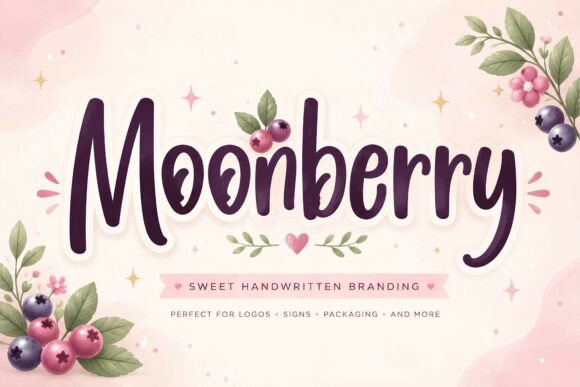
At its core, Moonberry is a display font designed to evoke a specific feeling. Its character is defined by soft, rounded strokes and a gentle, flowing rhythm. Unlike rigid, geometric typefaces, Moonberry embraces imperfection in a controlled way, mimicking the natural variation of hand-lettering. The letterforms are friendly and approachable, with a distinctly feminine style that avoids being overly ornate or childish. It’s a creative font that feels like a warm conversation rather than a formal announcement. The overall appeal lies in its ability to communicate kindness, care, and a personal touch, making it an excellent asset for brand identity work that aims to build a genuine connection with its audience.
When you examine its details, you’ll notice the consistency in its rounded terminals and the subtle bounce in its baseline. This isn’t a script font that demands perfect pairing; it’s a standalone statement. Its legibility at moderate sizes is a key strength, making it more than just a decorative element. As a premium font, it often includes stylistic alternates, swashes, or ligatures that allow designers to customize the text further, adding unique flair to headlines or logos. This level of detail is what separates a professional typeface from a generic one, providing the tools needed for refined typography in modern typography projects.
Where Moonberry Truly Shines: Practical Applications
The true test of any design asset is its application across different mediums. Moonberry’s sweet, handmade aesthetic makes it exceptionally well-suited for specific niches. In packaging design, particularly for artisan goods, it instantly communicates a homemade, high-quality feel. Imagine it on a jar of local honey, a bag of gourmet cookies, or the label for a small-batch beauty cream. It tells a story of care and attention before the customer even reads the description.
For small business owners and entrepreneurs, this font can be a cornerstone of a cohesive brand identity. It works beautifully for logos, business cards, and thank-you notes, creating a consistent and memorable impression. In the digital realm, it’s a powerful tool for social media graphics. Quotes, announcements, and promotional posts set in Moonberry stand out in a crowded feed because they feel more personal and less corporate. It’s also ideal for editorial design in magazines or blogs targeting lifestyle, parenting, or craft audiences, where a friendly, relatable tone is paramount.
Beyond commercial use, its charm extends to personal projects. Think custom invitations for a baby shower, heartfelt greeting cards, or personalized labels for homemade gifts. For crafters and hobbyists, it’s a font that can elevate DIY projects, from vinyl decals for mugs and tumblers to designs for t-shirts and tote bags. Its versatility across print and digital surfaces is a significant advantage, ensuring the same warm feeling translates whether it’s on a website header or a printed sticker.
Strategic Considerations for Using This Handwritten Font
Integrating a display font like Moonberry into a project requires thoughtful strategy. Its primary role is to attract attention and set a mood, so it’s best used for headlines, logos, and short bursts of text. For body copy or longer paragraphs, pairing it with a highly legible sans serif font or a clean serif font is essential. This creates a clear visual hierarchy, where Moonberry draws the eye and the supporting font ensures readability. A good font pairing might be Moonberry with a simple, geometric sans serif like Montserrat or a classic serif like Lora.
Before committing, always test the font in context. View it at the actual size it will be used, both on screen and in print if possible. Check the readability of key words, especially those with complex letter combinations. Review the full character set—does it include the punctuation, numerals, and language support you need? If the project is commercial, verifying the commercial font license is non-negotiable. Most premium fonts come with clear licensing for various uses, from logos to merchandise, but it’s your responsibility to ensure compliance.
Ultimately, Moonberry is more than just a collection of glyphs; it’s a tool for storytelling. Its strength lies in its ability to inject personality and warmth into a design, making it ideal for brands and projects that want to feel accessible, caring, and authentic. By understanding its characteristics and applying it strategically, you can leverage this handwritten font to create designs that don’t just look good, but also feel right. It’s a valuable addition to any designer’s toolkit for projects where a human touch is the most important design element of all.