Olivia: A Handwritten Font for Authentic Brand Connections
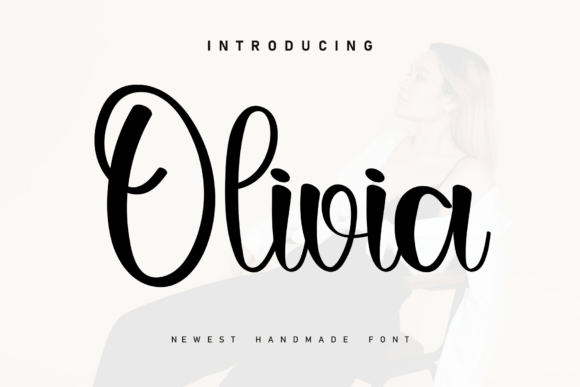
There’s a particular kind of charm that comes from something genuinely handmade. It’s the slight imperfection, the flow of a personal touch, that digital precision can’t replicate. This is the feeling evoked by the Olivia typeface, a premium font that captures the essence of heartfelt, relaxed elegance. More than just a script font, Olivia is a tool for adding a layer of authentic personality to your work, making your designs feel approachable, human, and memorable.
Understanding Olivia's Visual Character
At its core, Olivia is a handwritten font defined by its smooth, flowing strokes and organic lines. It avoids the overly rigid or decorative tendencies of some display fonts, instead favoring a natural, easy-going rhythm. The letters connect with a gentle fluidity, creating a sense of cohesion without feeling forced. This isn't a frantic scrawl or a formal calligraphic script; it’s a relaxed, confident hand that feels both personal and polished. Its personality is warm, inviting, and subtly sophisticated, making it a versatile creative font for projects that need to feel genuine.
The overall appeal lies in its balance. It has enough character to stand out as a headline or logo design element, yet its clarity allows it to function effectively in shorter blocks of text where a personal touch is desired. Think of it as the typographic equivalent of a friendly, handwritten note on quality stationery—it immediately sets a tone of care and consideration.
Where Olivia Truly Shines: Practical Applications
The true test of any typeface is how it performs in the real world across different mediums. Olivia’s adaptable nature makes it a valuable asset in a designer’s toolkit, particularly for projects aiming to connect on an emotional level.
Branding and Identity
For small businesses, boutiques, artisanal brands, and personal blogs, establishing a strong brand identity is crucial. Olivia excels here. It can become the cornerstone of a logo for a bakery, a wellness coach, or a handcrafted jewelry line, instantly communicating values of authenticity and craftsmanship. Using it for brand name lockups, taglines, or key marketing phrases on business cards, packaging, and websites creates a consistent, recognizable voice that feels personal and trustworthy.
Marketing and Social Media
In the fast-scrolling world of social media graphics, grabbing attention with a human touch is key. Olivia is perfect for creating engaging Instagram stories, quote graphics, sale announcements, and promotional banners. Its handwritten style cuts through the noise of sterile, corporate-looking posts, fostering better audience engagement. It pairs beautifully with clean sans serif fonts for body text, creating a clear visual hierarchy that guides the viewer’s eye. In email marketing, using Olivia for subject lines or highlighted offers can increase open rates by adding a personal, urgent appeal.
Editorial and Packaging Design
Within editorial design, Olivia can add flair to magazine headlines, chapter titles in a book, or pull quotes that need to feel intimate and impactful. It’s less suited for long-form reading but perfect for moments of emphasis. Similarly, in packaging design, it can elevate product labels for gourmet foods, cosmetics, or craft beverages, suggesting a homemade or small-batch quality that consumers increasingly value. The font’s elegance ensures it looks premium, not cheap.
Digital and Web Presence
When used thoughtfully in web design, Olivia can enhance user experience. It works wonderfully for hero section headers, call-to-action buttons, or testimonial sliders where you want to highlight a personal endorsement. However, readability is paramount online. It’s best used for display purposes, ensuring that any text set in Olivia is large, well-spaced, and contrasted against a simple background. Pairing it with a highly legible serif or sans serif font for paragraphs ensures your site remains accessible and professional.
Making Olivia Work for You: A Practical Guide
Choosing the right font is a strategic decision. Here’s how to evaluate and implement Olivia effectively in your projects.
Evaluate the Project Fit
Before selecting Olivia, consider your project’s core message and audience. Is the goal to feel friendly, personal, and artisanal? If so, it’s a strong candidate. If the project requires a tone of stark modernity, technical precision, or ultra-formal authority, a different typeface—perhaps a geometric sans serif or a classic serif font—might be more appropriate. Olivia is a tool for specific emotional resonance.
Mastering Font Pairing
The strength of a font pairing can make or break a design. Olivia, as a expressive handwritten font, demands a complementary partner that provides balance and readability. A general rule of thumb is to pair a highly stylistic font with a more neutral one.
- With Sans Serif Fonts: Pairing Olivia with a clean, modern sans serif font (like Montserrat, Lato, or Open Sans) creates a beautiful contrast. Use Olivia for headlines and the sans serif for body copy. This combination feels contemporary, approachable, and very readable.
- With Serif Fonts: For a more classic, elegant feel, try pairing Olivia with a traditional serif font (like Lora, Merriweather, or Georgia). This can work well for wedding invitations, boutique branding, or literary-themed projects, adding a touch of modern whimsy to a timeless foundation.
Always test your pairings at the actual size they will be viewed. What looks good on a large screen may become illegible when scaled down for a mobile view or a small product label.
Leveraging Included Styles and Licensing
A quality premium font like Olivia often comes with more than just the basic alphabet. Look for features like stylistic alternates, ligatures, and swashes. These are alternate versions of letters that can add unique flair and avoid repetitive letterforms, making your typography feel even more custom and hand-lettered. Crucially, always review the commercial font licensing. Ensure the license covers your intended use, whether for a client’s logo, merchandise for sale, or a digital product. Respecting font licensing is a fundamental part of professional practice.
Prioritizing Readability
No matter how beautiful a font is, its primary job is to communicate. When using Olivia, be mindful of context. It’s perfect for short, impactful text: a logo, a headline, a single-line call to action. For paragraphs, small text sizes, or critical information like legal disclaimers, always opt for a more straightforward typeface. Good design ensures your message is not only seen but also easily understood.
In the end, Olivia is more than just a set of letters. It’s a design asset that can inject warmth, personality, and a sense of human connection into your visual communication. By understanding its character and applying it with thoughtful consideration, you can leverage this beautiful handwritten font to create branding and marketing materials that don’t just catch the eye, but also speak directly to the heart of your audience.