Rustic Cowboy: Authentic Frontier Spirit for Your Designs
There’s a certain weight to the American West. It’s in the weathered wood of an old barn, the thick leather of a well-worn saddle, and the bold, unapologetic lettering on a trail town’s main street sign. Capturing that feeling in a modern design project requires more than just a western-themed image; it demands a typeface with genuine grit. This is where Rustic Cowboy enters the scene, not as a mere font, but as a design asset built to channel that authentic, frontier spirit.
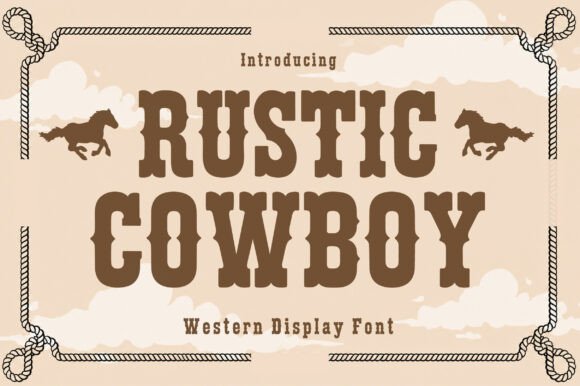
Rustic Cowboy is a premium display font, a heavyweight serif typeface designed for maximum impact and character. Its design DNA is rooted in the classic wooden signage of the Old West. The letterforms are heavy and condensed, built on a foundation of dramatic slab serifs. What truly sets it apart is its unique "spined" silhouette—a subtle, structural ridge running through the characters that mimics the natural grain and construction of hand-carved wood. This isn't a font that tries to look old; it feels constructed, with a massive visual weight and rhythmic, architectural terminals that give every word a sense of permanence and strength.
Where This Western Typeface Truly Shines
Understanding a font's personality is one thing; knowing where to deploy it is the real skill. Rustic Cowboy is not a workhorse for body text. It’s a specialist, a creative font designed to be the headline, the logo, the hero element that grabs attention and sets an unmistakable tone. Its strength lies in projects where brand identity and immediate emotional impact are paramount.
Think of the core applications where its rugged charm is not just welcome, but essential:
- Branding & Logo Design: For a custom leather shop, a craft distillery, a ranch, or an outdoor gear company, this typeface becomes the cornerstone of a visual identity. It communicates durability, heritage, and a no-nonsense authenticity.
- Event Posters & Editorial Design: A rodeo event poster, a country music festival lineup, or the cover of a hunting magazine needs typography that can stand on its own. Rustic Cowboy provides that standout title, creating instant recognition and setting the right mood before a single image is viewed.
- Packaging & Label Design: On a craft brewery bottle, a bag of artisan coffee, or a jar of small-batch barbecue sauce, the font adds a layer of perceived quality and story. It tells the customer this product has roots and a genuine character.
- Digital & Social Media Graphics: In a crowded digital space, a bold header in Rustic Cowboy can stop the scroll. It’s perfect for website hero sections, YouTube channel art, or Instagram graphics for a lifestyle brand targeting an audience that values adventure and tradition.
Practical Guidance for Using Rustic Cowboy
Adopting a powerful display font like this requires a thoughtful approach. Its personality is strong, so using it effectively means understanding its strengths and its limits. Here’s how to integrate it into your workflow for the best results.
Evaluating Project Fit and Readability
First, consider your audience and message. Does your project aim for a rugged, traditional, or adventurous feel? If the goal is sleek minimalism or corporate neutrality, Rustic Cowboy is the wrong tool. But for projects targeting adults 20-50 who connect with themes of craftsmanship, outdoor life, and American heritage, it’s a perfect match. Its condensed, heavy forms mean readability drops significantly at small sizes. Use it for headlines, subheads, and logos, but always pair it with a highly legible font for paragraphs. A clean sans serif font or a simple serif font often works best as a companion, providing contrast without competing for attention.
Mastering Font Pairing and Hierarchy
The key to professional typography is contrast and hierarchy. Rustic Cowboy should dominate the top level. Let’s say you’re designing a poster for a local rodeo. The event name "Dusty Gulch Rodeo" could be set in Rustic Cowboy at a large size. The date, time, and location details underneath would be set in a complementary, more neutral typeface—perhaps a sturdy sans serif like Helvetica or a classic serif like Garamond. This creates a clear visual path for the viewer, using the creative font for emotional punch and the supporting font for clear information.
Always test your pairings. Does the x-height of your body font harmonize with the cap height of Rustic Cowboy? Does the weight feel balanced? Sometimes, a slightly bolder weight for the supporting text can help it hold its own next to the display font’s massive presence.
Considering Styles and Licensing
When you invest in a premium font like Rustic Cowboy, check what’s included in the family. Does it offer multiple weights (Regular, Bold, Black)? Are there italic versions? What about extended language support or stylistic alternates? These additional styles can provide valuable flexibility within a single project, allowing you to maintain the core personality while creating subtle variations for different text elements.
Finally, understand the commercial license. If you’re using this for a client’s logo, merchandise, or a published work, ensure your license covers that use. Reputable font foundries are clear about their terms, and respecting them is part of professional practice. It protects both you and the creator of the asset.
Ultimately, Rustic Cowboy is more than a collection of glyphs. It’s a tool for storytelling. When chosen carefully and applied with an understanding of its strengths, it can elevate a design from merely competent to truly memorable, embedding a piece of the frontier’s enduring spirit into your brand identity. Use it to make a statement that feels both timeless and powerfully authentic.