Deadman: A Bold Western Font for Striking Designs
There's a certain kind of design project that demands more than just a clean sans serif or a delicate script. It needs grit. It needs character. It needs to tell a story before a single word is read. This is precisely where a typeface like Deadman enters the picture. It’s not just a collection of letters; it’s a visual statement, an immediate transport to a world of sun-bleached wood, dusty trails, and bold declarations. For designers, entrepreneurs, and creators looking to inject a powerful dose of personality into their work, understanding how to wield a font like this is a valuable skill.
The Visual Character of Deadman
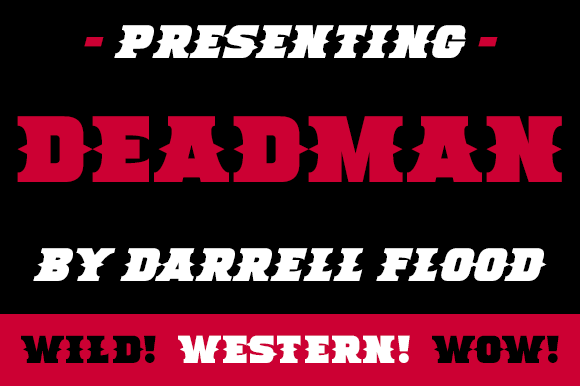
At its core, Deadman is a premium display font steeped in the aesthetic of the American West. Its visual identity is built on several key characteristics. The letterforms are robust and confident, often featuring strong, slab-like serifs that ground the text with a sense of stability. You'll notice subtle variations in stroke weight that give it an authentic, slightly weathered feel, as if stamped by an old letterpress or carved into a wooden sign. This isn't a sterile, geometric typeface; its personality comes from these organic imperfections.
The overall style is unapologetically bold and decorative. It’s designed to be the hero of a layout, not a supporting player. This makes it a standout choice for headlines, logos, and any application where you need to grab attention immediately. The appeal lies in its ability to convey themes of adventure, authenticity, craftsmanship, and heritage. When you use Deadman, you're not just setting a title—you're building an atmosphere. It’s a creative font that carries a built-in narrative, making it a powerful asset in any designer's toolkit.
Where Deadman Truly Shines: Practical Applications
A font's value is measured by its utility. Deadman’s bold, decorative nature makes it a specialist, and using it in the right context is key to unlocking its potential. It excels in projects where storytelling and a strong, thematic identity are paramount.
In logo design and brand identity, Deadman is a natural fit for businesses that want to project ruggedness, tradition, or artisanal quality. Think of a craft distillery, a leather goods workshop, a barbecue restaurant, or an outdoor adventure company. Paired with a simple sans serif font for body text, it creates a brand identity that is both memorable and coherent. The font itself becomes a cornerstone of the brand's visual language.
For packaging design, especially in the food, beverage, or craft sectors, Deadman can make a product leap off the shelf. It communicates quality and a handcrafted ethos. Imagine it on a label for a small-batch hot sauce, a bag of premium coffee beans, or a artisanal jerky. It instantly tells a story about the product's character. Similarly, in editorial design, it’s perfect for magazine cover headlines, book titles in the western or thriller genres, or chapter headings that need a dramatic flair.
The digital space offers endless possibilities. For web design, Deadman can be used for impactful hero section headings or calls-to-action on sites for ranches, breweries, or vintage clothing stores. In social media graphics, it’s a powerful tool for creating posts that stop the scroll. A bold announcement, a quote graphic, or a promotional banner set in Deadman will have a distinct visual punch that generic fonts can’t match. It’s also a fantastic choice for personal projects like custom t-shirt designs, event posters, or wedding invitations with a rustic theme.
Mastering the Font: Pairing, Readability, and Licensing
Integrating a strong decorative font into a design requires a thoughtful approach. The goal is to let its personality shine without compromising clarity or professionalism. Here’s how to do it effectively.
Creating Harmony with Font Pairing
The most important rule with a display font like Deadman is balance. Because it’s so visually dense, it should almost always be paired with a cleaner, more neutral typeface for longer blocks of text. A classic combination is Deadman with a simple sans serif font like Open Sans, Lato, or Montserrat for body copy. This creates a clear visual hierarchy, where the headline commands attention and the supporting text remains highly readable. You could also pair it with a clean serif font for a more traditional feel, but ensure the contrast in weight and style is sufficient to avoid visual clutter.
Readability and Context
Deadman is a display typeface, meaning it’s optimized for use at larger sizes. Using it for paragraphs of body text would be a mistake, as its decorative details can hinder legibility at small sizes. Its strength is in headlines, subheadings, logos, and short, impactful phrases. Always consider your audience and the medium. On a printed poster, its texture and detail will be beautifully rendered. On a small mobile screen, ensure the text is large enough to be read clearly. A good practice is to test your designs at various sizes and on different devices before finalizing.
Evaluating Your Project and Exploring Variations
Before committing, ask if the font’s personality aligns with your project's message. Is the goal to feel rustic, adventurous, or authoritative? If yes, Deadman is likely a strong candidate. If the project requires a feeling of modern minimalism or corporate formality, a different typeface would be more appropriate.
When you acquire a creative font like this, explore everything it offers. Check for included styles—does it have italics, multiple weights, or alternate character sets? These variations can add significant flexibility to your designs. Finally, for any commercial use, always review the font's licensing agreement. Reputable premium fonts come with clear licenses that outline how they can be used in commercial projects, from logos and merchandise to websites and advertisements, ensuring you’re using the design assets legally and ethically.