Nothing: The Ultra-Condensed Sans Serif That Commands Attention
Bold Geometry for Maximum Impact
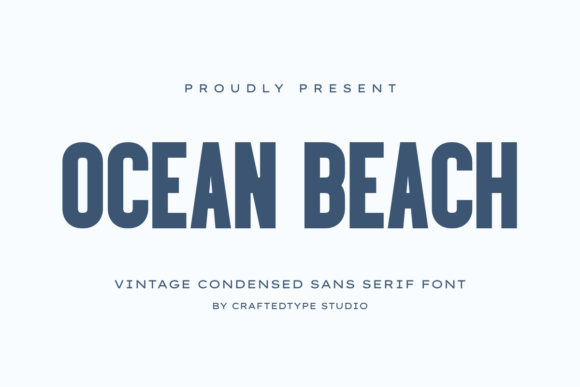
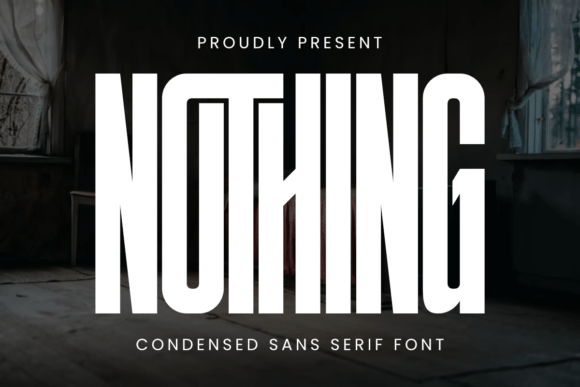
When you first encounter Nothing, you notice the height. This isn't just another sans serif font—it's an ultra-condensed typeface that stretches vertically while keeping its letterforms remarkably clean. The geometric shapes are precise, the lines are bold, and the overall personality feels dramatic without being chaotic. Nothing works as a display font built for moments when you need words to stop people mid-scroll or mid-step.
What makes Nothing stand out among modern typefaces is how it balances extreme proportions with readability. Many condensed fonts sacrifice legibility for style, but Nothing maintains clarity even at its most stretched dimensions. The letter spacing feels intentional, the curves are consistent, and each character holds its own weight against the others. This creates a visual rhythm that feels both contemporary and authoritative.
The font carries what I'd call a "confident minimalism." It doesn't rely on decorative elements or ornamental flourishes to make its point. Instead, Nothing uses scale, proportion, and geometric precision to create presence. Think of it as the typographic equivalent of a well-tailored suit—simple in construction but unmistakable in impact.
Where Nothing Truly Shines
Nothing finds its strongest applications in contexts where visual hierarchy matters most. Movie titles, music album covers, fashion editorials, and sports branding all benefit from its commanding vertical presence. When you're designing a poster that needs to compete with visual noise—whether that's a concert venue, a retail environment, or a crowded social media feed—this font cuts through.
For logo design, Nothing offers something interesting. Its condensed nature means you can set brand names at larger sizes without consuming excessive horizontal space. This proves particularly useful for logos that need to work across multiple formats—from website headers to business cards to product packaging. The geometric consistency also helps maintain brand identity across different applications and sizes.
Editorial designers will find value in Nothing for chapter headings, pull quotes, and feature titles. The font's dramatic personality adds editorial weight without overwhelming accompanying body text. When paired with a more traditional serif font for longer reading passages, Nothing creates a clear visual hierarchy that guides readers through content naturally.
- Advertising and posters: Headlines that need to grab attention quickly
- Music and entertainment: Album covers, event graphics, tour merchandise
- Fashion and beauty: Lookbook titles, brand headers, editorial spreads
- Sports and fitness: Team branding, event promotions, athletic apparel
- Product packaging: Brand names, product lines, shelf presence
- Digital content: Website hero sections, social media graphics, YouTube thumbnails
Working with Nothing in Your Projects
Before committing to Nothing for a project, test it at the sizes you'll actually use. Display fonts behave differently at large and small scales—what looks striking at 72 points might feel cramped at 14 points. Set a few sample headlines, check how the characters interact at your target size, and evaluate whether the condensed proportions serve your specific layout needs.
Font pairing becomes essential with a typeface this distinctive. Nothing works well alongside neutral sans serif fonts for body copy—think clean, readable options that don't compete for attention. For more traditional or editorial contexts, pairing Nothing with a classic serif font creates an appealing contrast between modern geometry and established elegance. Avoid pairing it with other highly stylized fonts, as the combination often feels visually crowded.
Pay attention to the included styles and weights when evaluating this premium font for commercial use. Some projects benefit from having multiple weight options within a single typeface family, while others only need the bold condensed style. Review the full character set too—check for special characters, numerals, and punctuation that match your specific requirements, especially for multilingual projects or technical content.
Readability considerations matter even with display typography. While Nothing excels at headline sizes, avoid using it for body text or extended reading passages. The ultra-condensed proportions that make it striking at large sizes create density that tires eyes at smaller sizes. Reserve it for moments of visual emphasis rather than sustained reading.
For commercial projects, verify licensing terms before finalizing your design. Most premium fonts offer different license levels depending on usage—desktop, web, app, and extended commercial applications each have different requirements. Understanding these distinctions upfront prevents complications later, particularly for projects that might scale across multiple platforms or distribution channels.
Nothing represents a specific design choice: choosing impact over subtlety, geometry over organic form, and modern presence over traditional restraint. When your project calls for that kind of visual statement—whether you're building a brand identity, designing marketing materials, or creating editorial content—this condensed sans serif font delivers exactly what its name suggests: nothing extraneous, nothing wasted, nothing that doesn't serve the design's ultimate purpose.